Domino Dialog
EnTeam Physical Game
Purpose
To develop collaborative communication using simple, easily available tools – dominos! Players are pitted against their greatest foe, their own ego, communicative inhibitions, and other blockers to simple communication.
Requirements
- Time: 35-45 minutes per match
- Number of Players: 2 or more
- Age range: at least 6 years – adults have fun playing this game too!
- Space: Table
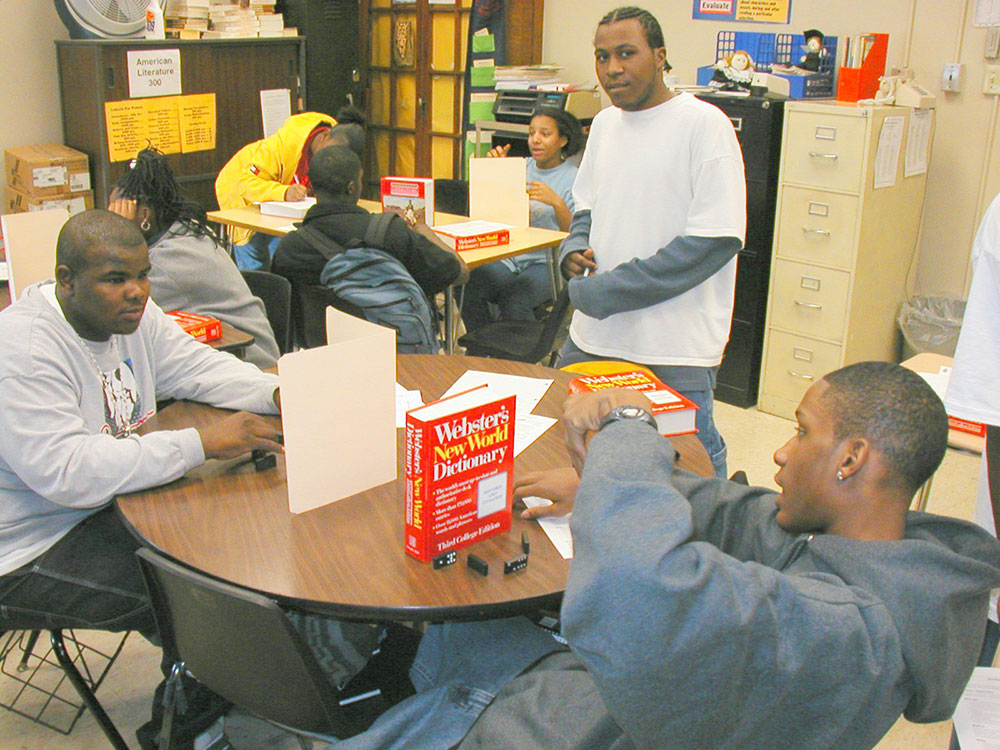
- Equipment: 4 or more dominos, folders, score sheets, pen/pencil
- Prerequisites: None
How to Play
- Write names of team members at the top of the score sheet.
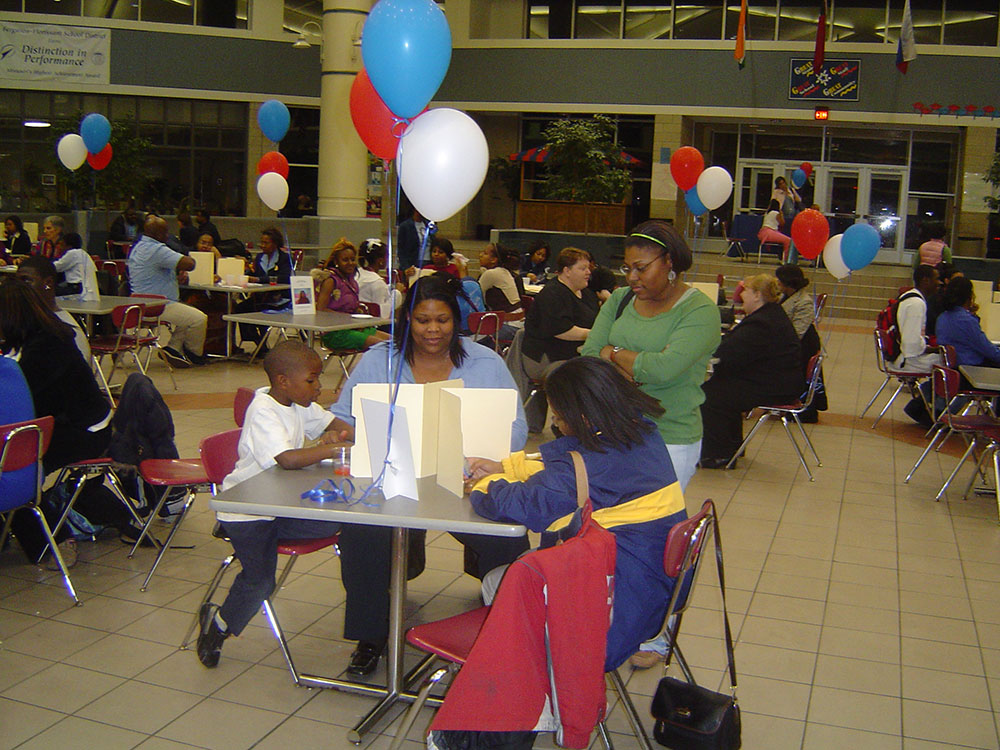
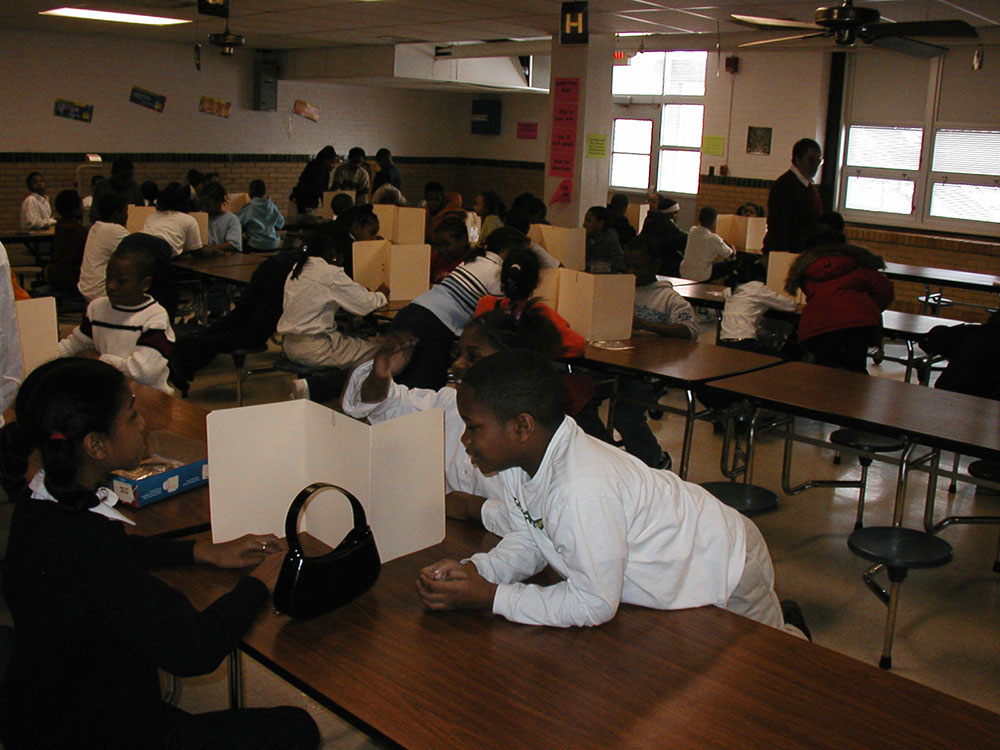
- Identify sender and receivers and have them sit across from each other.
- Use folders to hide dominos so partners cannot see each other’s dominos.
- Senders will create a design with their 4 dominos without the receiver seeing it.
- In 2 minutes, senders will describe their design for the receiver to try and copy.
- The receiver and sender can talk together to match dominos.
- When the receiver is ready to score, they will compare dominos.
- If there is more time, senders can create a new pattern and play again.
- When 2 minutes are up, partners score their dominos and debrief together.
- Switch roles and try improving the score in the next round.
- Three games form a complete match.
Rules
- All four dominos must be used and dots must be visible (face up).
- Observers may not talk or give signals during the game.
- Do not look at each other’s dominos until you are ready to score.
- If pairs finish before time is up, they score the first pattern and the same sender creates a new pattern behind the folder.
- If you make a new pattern, all dominos must change position.
Scoring
- Score one point for each domino that the receiver has in the same position as the sender. All points belong to both partners.
- Maximum score is 4 points for each matching pattern.
- If a rule is broken, the score does not count.
Debrief Questions
The purpose of debriefing is to develop strategies that will improve your performance and to recognize how these lessons apply to everyday life. To facilitate a successful debrief, facilitators must observe participants and ask engaging questions that spark thoughtful reflection. If we don’t debrief, we don’t learn!
What happened?
What did you see? What did you hear? What was the score?
What worked? What didn’t work?
How did people feel? What issue(s) came up? What issue(s) remain?
So what?
What did we learn?
How does this experience relate to other experiences?
Why are we doing this? How is it relevant to us?
Now what?
How could we improve our score in this activity?
How can we work together better?
How could we apply lessons learned outside of the game?
Digging Deeper
- Did anyone feel reluctant to share strategies?
- Why? Are you still in a win-lose mindset?
- If we are trying to improve collective achievement, who are you benefitting when you withhold strategies from other teams?
Debrief Chart (PDF)
Pictures from the game