Drawing Together
EnTeam Physical Game
Purpose
To draw a picture together in response to a question or topic by collaborating with your team and developing abstract thinking skills.
Requirements
- Time: 30-45 Minutes
- Number of Players: 2 or more
- Age range: Students of any age
- Space: Online
- Equipment: Paper, colorful utensils, and a place to draw.
- Prerequisites: Ability or willingness to draw on a piece of paper.
How to Play
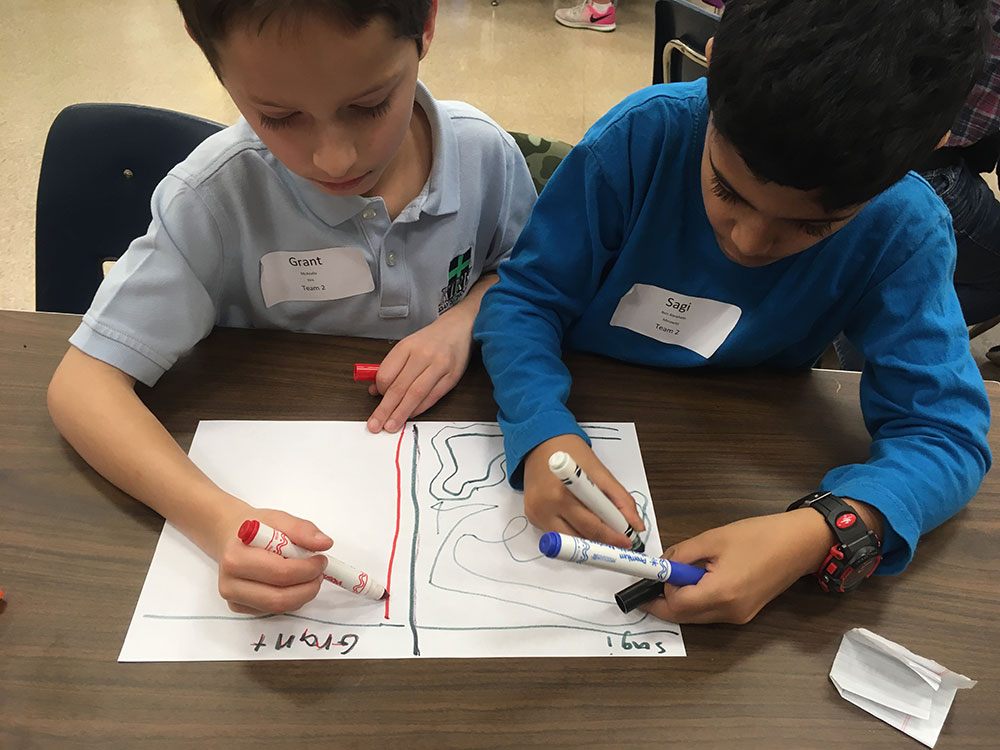
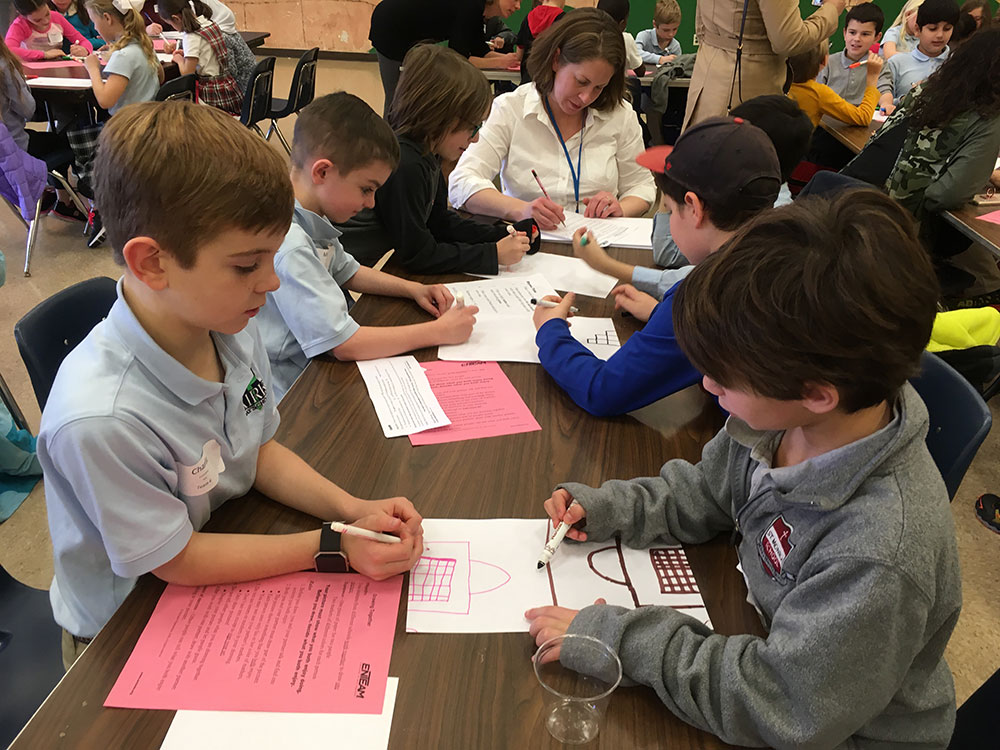
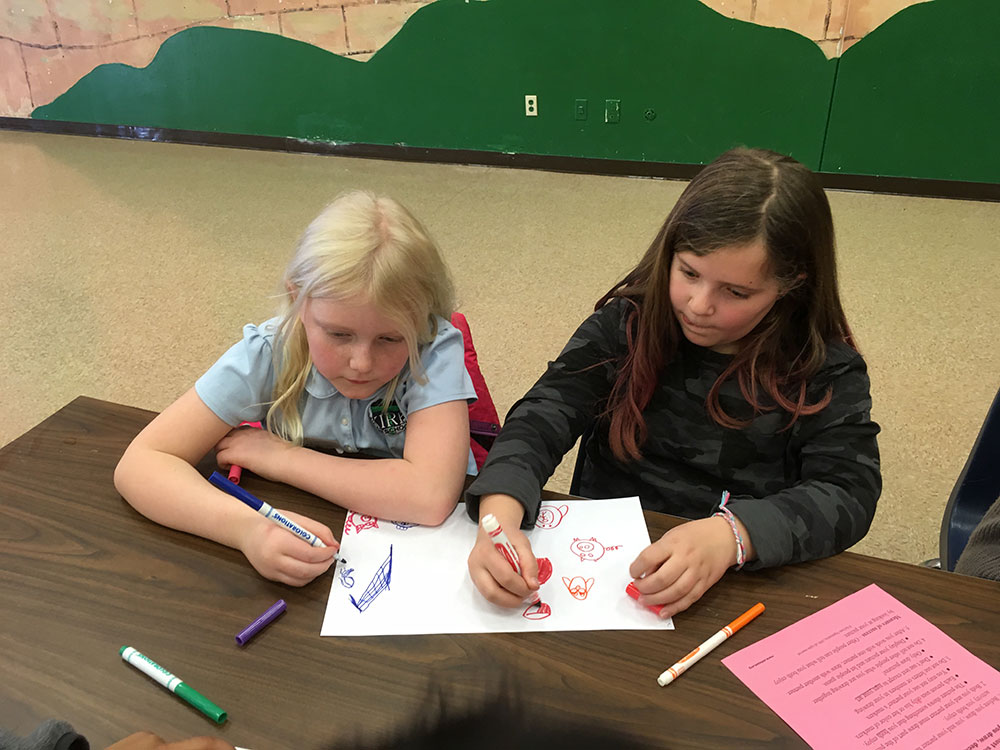
- Decide on a question (ex. What do you like to do for fun? How can you strengthen a friendship? What makes a good narrative story?) and each team decides on one answer (swimming, shopping, communication, mystery, etc.)
- Divide the group into teams of at least two players.
- Teams have 1 minute to plan their drawing.
- Team members choose one answer that they will draw in a picture.
- Each member picks their own color and can only use that color.
- After planning, every team has 3 minutes to draw their drawing.
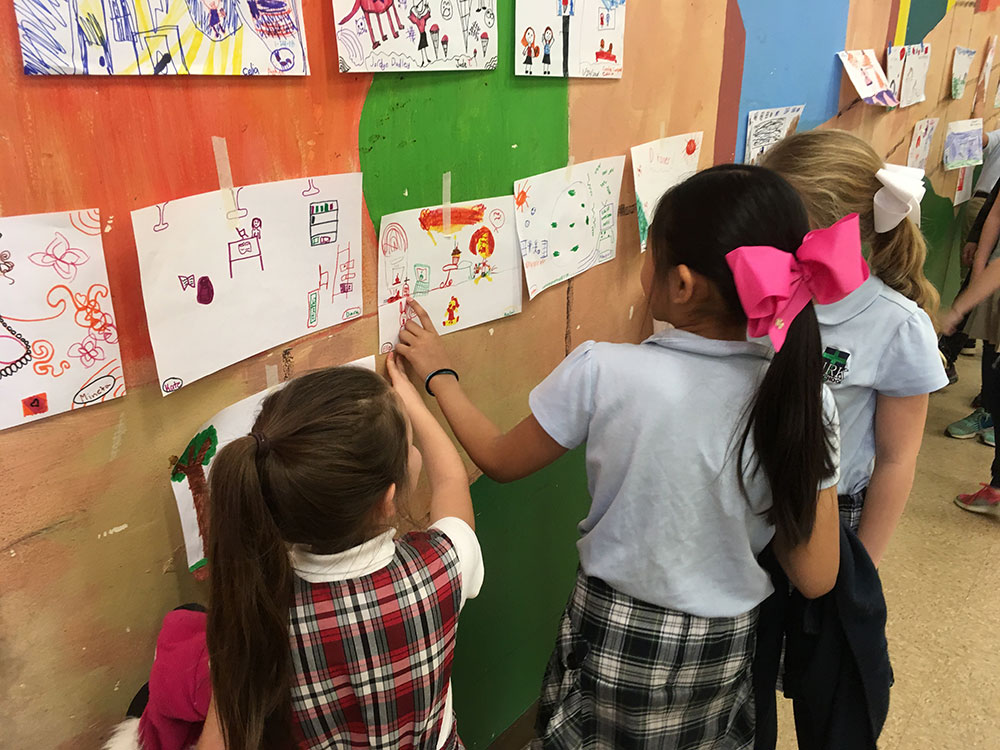
- When time is up, teams will show their drawing and observers write their guesses.
- Score how many correct guesses the whole group made.
- Debrief and strategize on how to improve their score.
- Pose a new question, change teams (if desired), and play again!
Rules
- Teams must agree on their answer before they draw. The answer cannot change.
- Teams cannot use words, letters, or numbers in their drawing.
- Each member uses a different color and all members must draw something.
- Everyone will draw at the same time. Do not draw until everyone is ready.
Scoring
- The score is the number of correct answers written by observers in each round.
- Drawers and observers are working together, so the score belongs to everyone.
- If the scores improve, everyone wins. If scores don’t improve, everyone loses.
Debrief Questions
The purpose of debriefing is to develop strategies that will improve your performance and to recognize how these lessons apply to everyday life. To facilitate a successful debrief, facilitators must observe participants and ask engaging questions that spark thoughtful reflection. If we don’t debrief, we don’t learn!
What happened?
What did you see? What did you hear? What was the score?
What worked? What didn’t work?
How did people feel? What issue(s) came up? What issue(s) remain?
So what?
What did we learn?
How does this experience relate to other experiences?
Why are we doing this? How is it relevant to us?
Now what?
How could we improve our score in this activity?
How can we work together better?
How could we apply lessons learned outside of the game?
Digging Deeper
- Did anyone feel reluctant to share strategies?
- Why? Are you still in a win-lose mindset?
- If we are trying to improve collective achievement, who are you benefitting when you withhold strategies from other teams?
Debrief Chart (PDF)
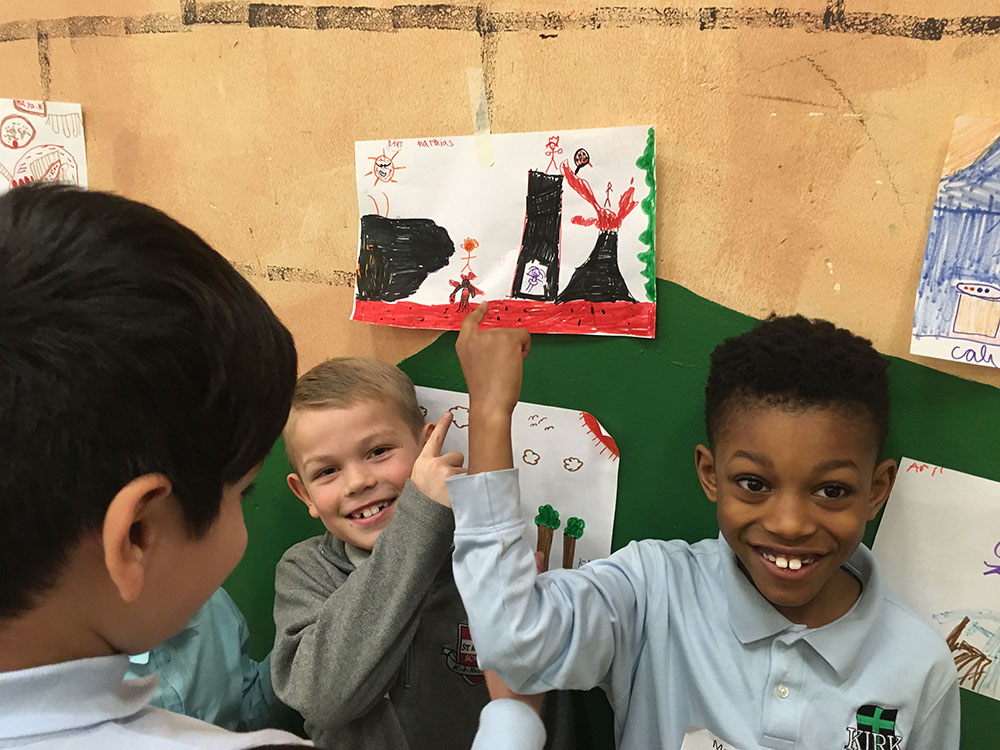
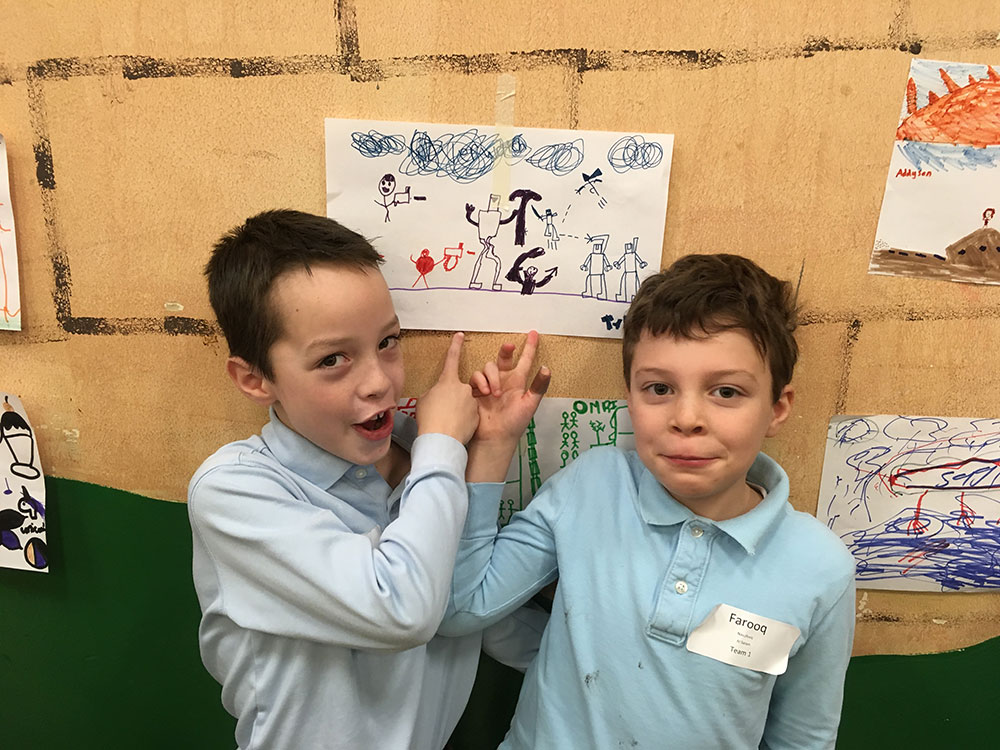
Photos from the Game